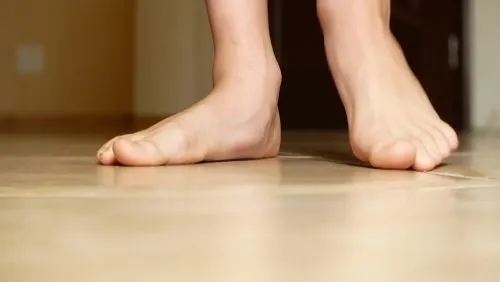
A flat foot, or pes planus, is a common structural condition in which the arches on the inside of the feet flatten when pressure is applied. While some people with this condition experience no symptoms, many others suffer from chronic discomfort that radiates from the feet up to the knees and lower back. In Flushing, NY, William M. Hansen, DPM, provides expert diagnostic care and intervention for patients living with flat feet, helping them regain stability and prevent long-term joint strain.
Understanding the Causes of Flat Feet
Flat feet can be present from birth if the arches never fully develop during childhood. However, many adults develop fallen arches over time due to the wear and tear of daily activity. Factors such as obesity, pregnancy, or aging can weaken the posterior tibial tendon, which is the primary structure supporting the arch. Additionally, injuries like broken bones or ligament tears can cause the foot’s structure to collapse. William M. Hansen, DPM, evaluates your gait and foot structure in Flushing, NY, to determine the specific cause of your flat feet and how it affects your overall alignment.
Symptoms and Secondary Complications
The impact of flat feet often extends beyond the arch itself. When the foot rolls inward excessively, a movement known as overpronation, it places abnormal stress on the entire leg. Common symptoms include:
- Foot Fatigue: An aching or tired feeling in the feet after standing or walking.
- Pain in the Heel or Arch: Discomfort that may get worse with high-impact activity.
- Swelling: Visible inflammation along the inner ankle.
- Referred Pain: Aches in the shins, knees, hips, or lower back caused by poor skeletal alignment.
Conservative Management and Orthotic Support
At our Flushing, NY, office, William M. Hansen, DPM, prioritizes non-invasive solutions to manage the symptoms of flat feet. One of the most effective tools is the use of custom orthotics. Unlike generic store-bought inserts, custom orthotics are molded to the exact contours of your feet to provide support where your arch is lacking. These devices help redistribute weight and correct the inward rolling of the foot. We may also recommend specific stretching exercises to relieve tension in the Achilles tendon, which is often tight in individuals with flat feet.
Protecting Your Mobility in Flushing
Ignoring the symptoms of flat feet can lead to the development of more serious conditions, such as bunions, hammertoes, or plantar fasciitis. By working with William M. Hansen, DPM, you can implement a care plan that protects your joints and maintains your mobility. Whether through better footwear choices, physical therapy, or supportive devices, our goal is to ensure you can stay active without the burden of chronic foot pain. To get started or find help for other foot and ankle concerns, call our office at (718) 353-3668.